crystal clear water – multi-colored walls – volcanic rocks – caves of light – shipwrecks
Diving in Ponza
Diving
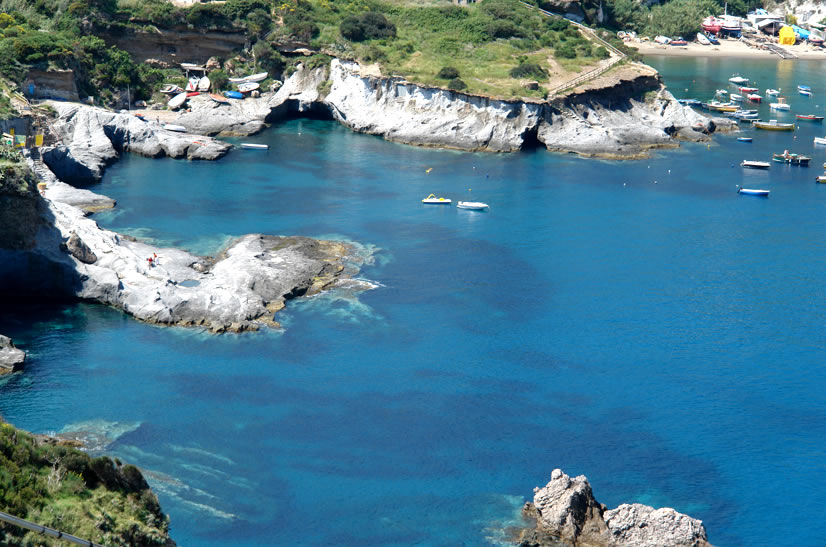
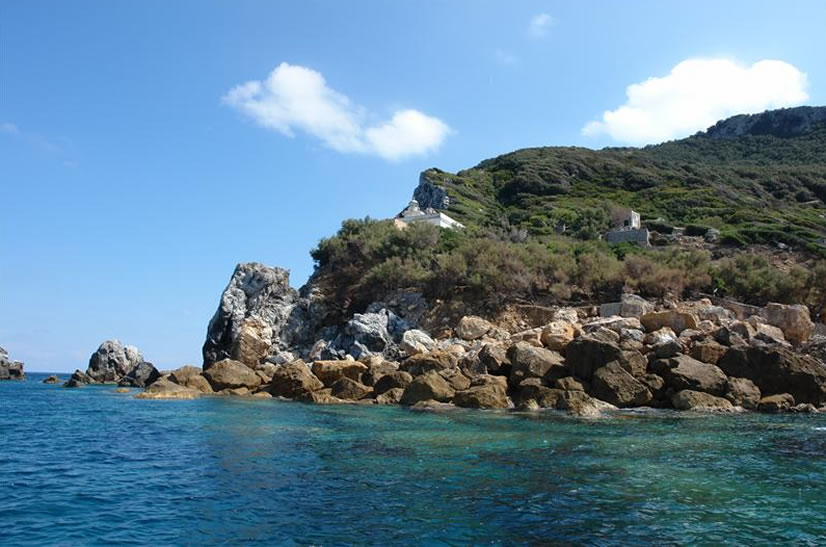
Crystal clear water, sandy bottoms of an indescribable white, walls of a thousand colors, volcanic rocks, caves of light and wrecks of ships, planes ….. Anyone who dives into the deep blue of this sea, beginner or expert, will eventually come out from the water with a different light in the eyes. Everyone is wondering how so many wonders can exist in a place so close to civilization. It seems that somewhere there is a strange border, an invisible barrier beyond which the problems of the Mediterranean cannot enter. In Ponza, time has a different value, but not only that, here also the space, the places, the nature, the flora and the fauna seem protected by something or someone, perhaps by one of those saints to whom the inhabitants of these islands they are so devoted.
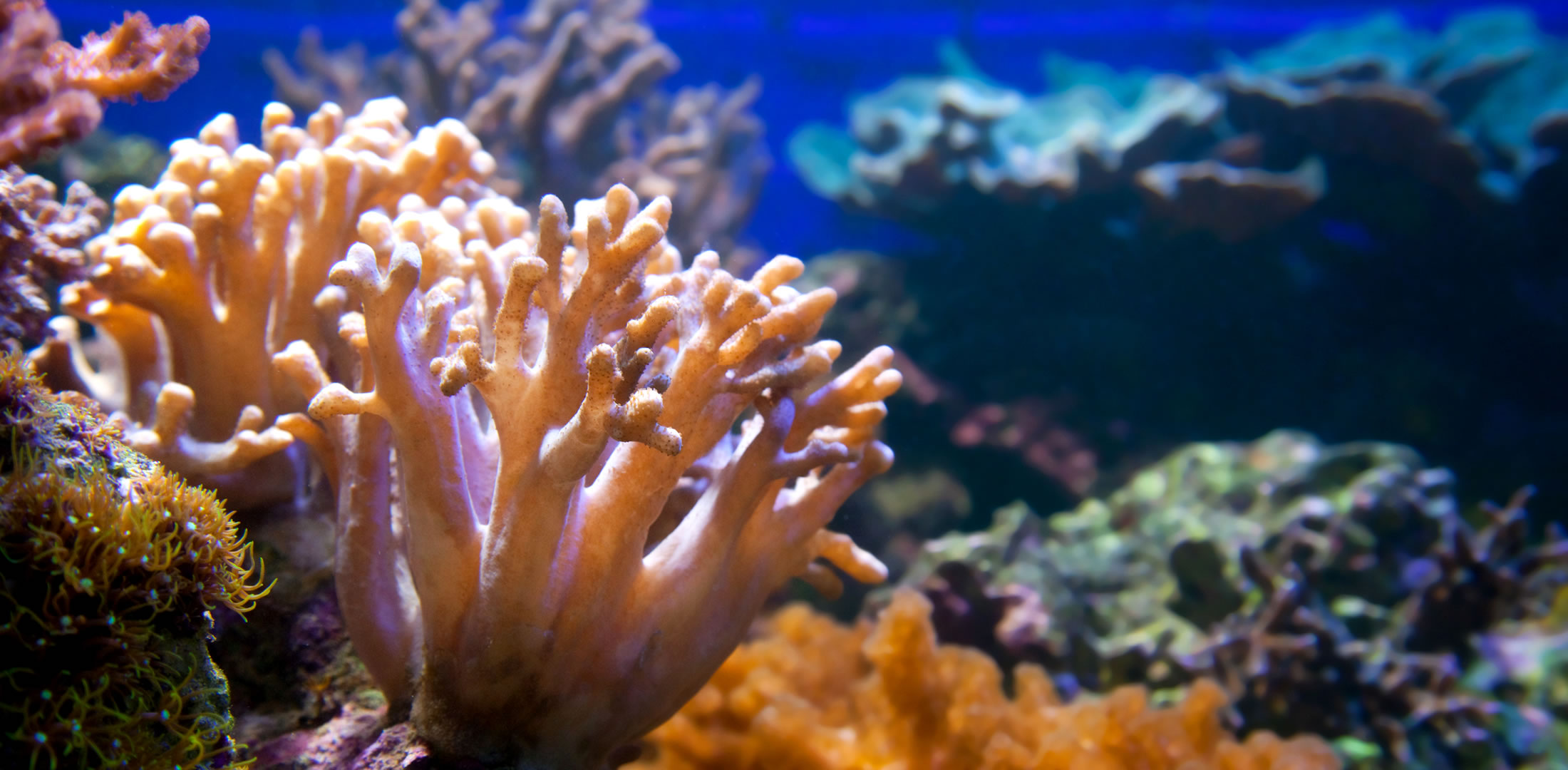
The fact is that even today, after so many years, we discover that we feel the same emotion as those who dive for the first time in the deep embrace of these crystal waters. The season starts on April 1st and closes in early November, but for sure, if it continued uninterrupted, the flow of divers would also be constant throughout the year. The dives are innumerable and accessible at various levels: experts and beginners can enjoy breathtaking shoals and descents into the blue or explore the ravines and lairs in complete safety. Groupers, bream, octopus, moray eels, damselfish, sea bream and scorpionfish are easily encountered during a dive. The lucky ones will also be able to see lobster, red snapper, amberjack, tuna and other pelagics. There are also numerous sponges, spirographs and bryozoans, including sea roses and false coral. The numerous shipwrecks of all ages and the precious archaeological sites testify that the island of Ponza was an important stop in the Mediterranean trade from the 6th century BC. up to the whole Roman age. Many of these wrecks can still be visited. To name one, in Punta Papa, 24 meters deep, rests a Landing Ship Tank, a landing craft that crashed into the rocks and sank during the Second World War.
For further information
Odissey Diving (Andrea Musella)
info@odisseysub.it
+39. 3703013002
Le Formiche / The Ants
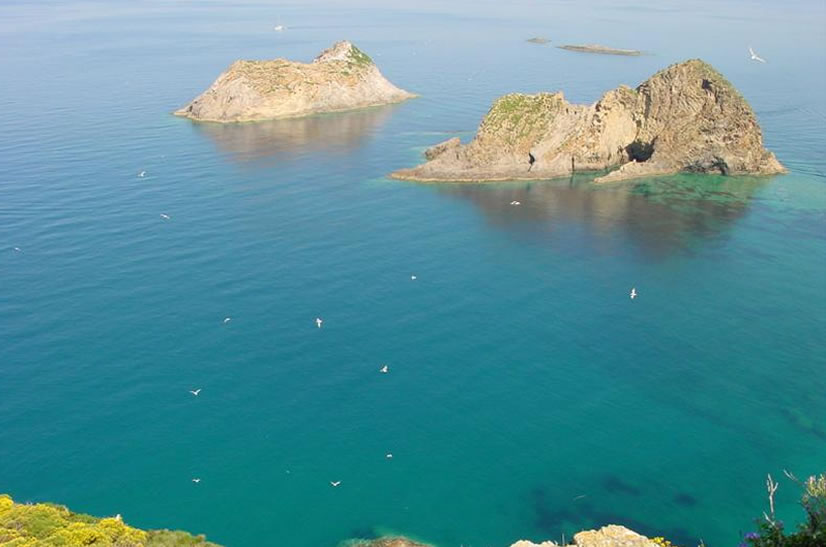
From the port, after Punta Madonna, a series of rocks emerge to the east that descend towards a sandy bottom at 50 meters. Here the dives are many, suitable for various levels but characterized by completely different environments that welcome different and well represented biocenoses in a relatively small area. In the vicinity of the largest rock on the north-eastern side, a rocky ridge detaches from the ants and slopes down to the sand. Exposed to the eastern currents, the strong hydrodynamics creates the optimal conditions for the growth of the most beautiful red gorgonians of the archipelago. The settlement of the red paramuricce is not extensive but the branches are luxuriant and in good health. The delicate transparencies of the colonies of claveline (Clavelina l-padiformis), sea squirts that cling to the polyps of the gorgonians to draw nourishment from the particles carried by the currents, are often observed. It is a demanding dive and it is not easy to find the exact point: it is convenient to rely on a diving center.
Scoglio Rosso between Ponza and Zannone
On the shallows that connect Ponza to Zannone, north of the islet of Gavi, after passing the Scoglitelli and the Piana di Mezzo, the Red Rock rises on the surface, indicated as Scoglio Grosso by nautical maps. To the west of the rock, a shoal that reaches up to 2 meters from the surface is clearly visible. In this area there are several dives that can be done at non-demanding depths: the most suggestive point is certainly the great canyon that runs parallel to the west of the Scoglio Rosso and cuts the shoal into two walls covered with parazounth with fleshy polyps and well developed. This is an area where the currents bring many nutrients giving rise to a luxuriant life. Today the seabed is repopulating and among many species it is also possible to meet several groupers.
Wreck – Cala dell’Acqua
The Landing Ship Tank was used for the transport of British troops and military vehicles during the Second World War. In 1943 she could not resist the fury of the sea and crashed on the rocks of Punta Papa. The ship sank with many German soldiers and prisoners. She split into two sections: the bow lies on a bottom at 26 meters and can be seen from above, lying on a backdrop of candid white sand, it still seems to be sailing; the bridge covered with beautiful encrustations and large spirographs is located at lower altitudes, easily accessible even by neophytes; the stern about a hundred meters away is still well preserved.